Summary:
In David Skal’s article It’s Alive, I’m Afraid, the main topic of discussion is deformities. The opening line of the article is “All monsters are expressions or symbols of some kind of birth process, however distorted or bizarre.” This quote anchors the discussion throughout the whole article. Skal discusses the arrival of birth control pills in the 1960’s. Obviously, the point of these pills is to be able to have sex without raising the chance of pregnancy. Within two years of the Pill introduction, another drug surfaced to help treat women suffering from morning sickness – Thalidomide. Thalidomide resulted in some of the most profound birth defects of that time because of its interruption of the formation of limbs, or causing brain damage or facial deformities. The results of this drug sparked America’s fascination with “freaks”. This fascination led to movies focused on horrific births and deformities such as Rosemary’s Baby. In the post-Pill period, “normal” childbirth vanished and the sole image in the public’s mind was horrific births. While some movies did not portray the horrors of birth, they did make people uneasy about future parenthood. There is a section in the article that discusses ‘dead baby’ jokes. The person telling these types of jokes are often referring to themselves (an adolescent or adult) being “dead” to childhood or being a teenager. A certain quote sparked my interest while reading this article and that quote says “Monstrous children, horrific pre-children, and abused (i.e. aborted) children became staple commodities in mass-market horror fiction in the seventies and eighties.” In my opinion this quote best summaries the ideas of the article. In the post-thalidomide time period, the public had become fascinated with different deformities and sexual/reproductive horror that focused on the “freaks” of society.
Analysis:
Jennifer Kent’s The Babadook (2014) is a film that demonstrates the horrors of a grief stricken mother and her son, Samuel. Throughout the film, the audience sees Amelia feel intense grief and sadness over her husband’s death. The Babadook, although a book character, is a representation of Amelia’s grief that she won’t let go of. The longer she goes denying reality and not accepting her husband’s death, the stronger the grief will grow, just as the Babadook gets stronger as you deny it. The idea that the Babadook started as a simple book character but then took form and terrorized this family closely relates to the title of David Skal’s article “It’s Alive, I’m Afraid”. As the film begins, Amelia insists that Mister Babadook is not real and there is nothing for Samuel to be afraid of. As the film goes on, the audience sees Amelia to come to the realization that this creature is very much real and is a force that she does not want to face.
Throughout the film, the audience sees the way everyone views Samuel. People see him as a deranged, violent child who needs help for a mental issue. He claims to see monsters in his bedroom at night and insists that he will “kill the monster when it comes”. People view him as a freak of society, even though he is just a little boy. Samuel is viewed in the same way some people were viewed in the 1970’s (Skal’s article). Many people in the 70’s became fascinated with “freaks” but in this case, people feared what Samuel could be capable of.
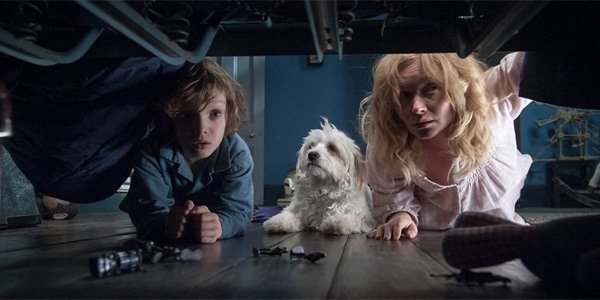
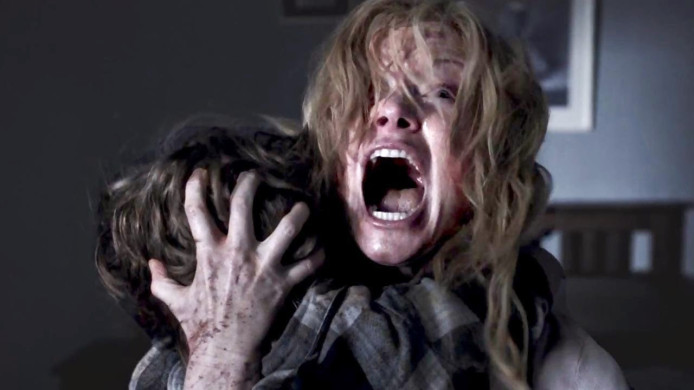
Amelia essentially hates her own son because she blames his being born for being the cause of her husband’s death. Due to this hatred and resentment, a monster is formed within Amelia. In Skal’s article he says, “All monsters are expressions or symbols of some kind of birth process, however distorted or bizarre.” This quote very closely relates to the situation that Amelia faces because a monster within was created on the day her son was born. Therefore, there is a direct correlation between the birth process of Samuel and the monstrous side of Amelia. The Babadook allowed Amelia to finally unload all her true feelings she felt towards Samuel and other characters in the film (ex: the blonde mother at Ruby’s birthday party). This anger leads to Amelia essentially tearing her family apart and trying to kill Samuel. Once she is finally able to face the Babadook and contain it, she is in a way finally facing the grief and suffering that she has been living with for the past seven years. As the audience sees at the conclusion of the film, the Babadook never goes away, but is being maintained in the basement where Amelia also keeps all of her husband’s belongings. The location of the Babadook’s new home is no coincidence. Just as she faced the Babadook, Amelia was finally able to come to terms with the loss of her husband. By doing this, she has been able to manage and contain her pain just as she is doing with the Babadook.
 CMS 353 Blogs